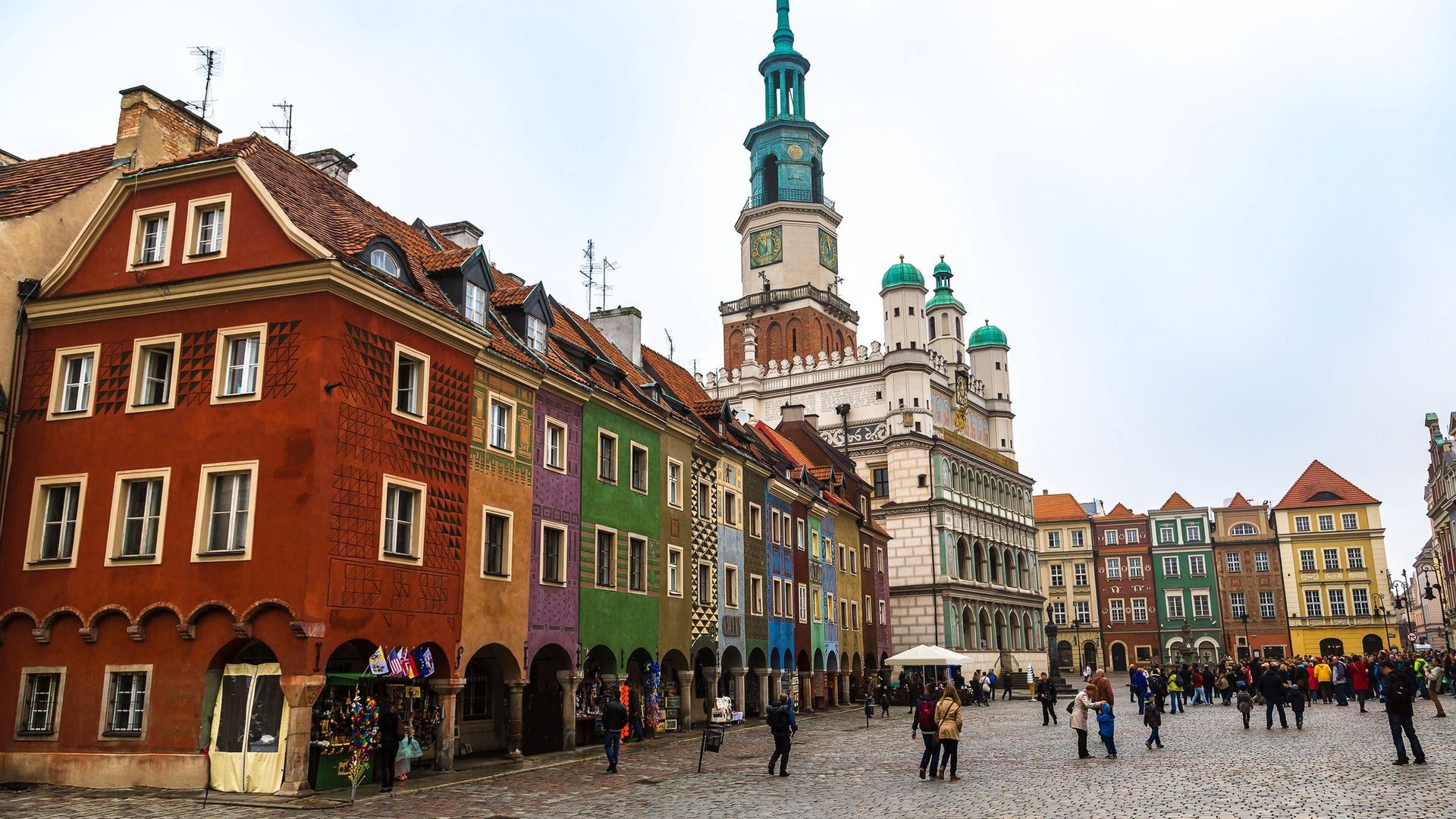

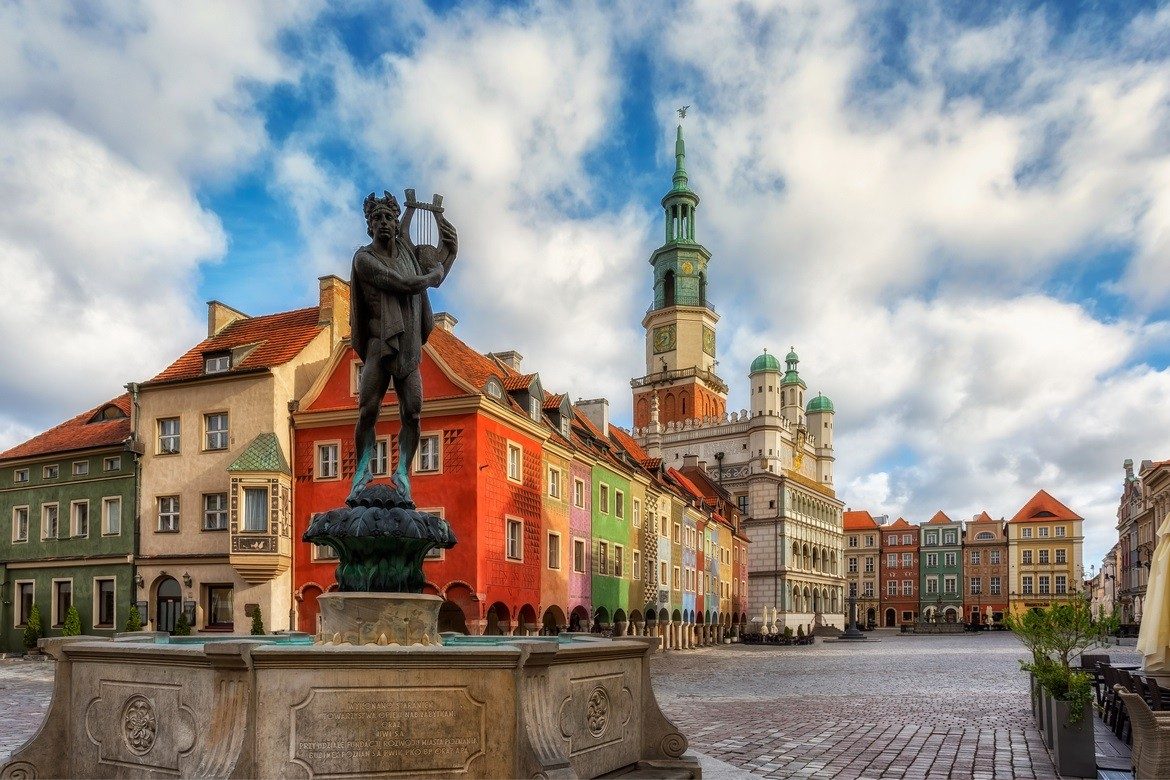
Poznań's Renaissance Town Hall on the Old Market Square

Poland · Greater Poland

Poznań

A confident western city where Poland’s earliest history meets Renaissance color, playful traditions, and a quietly sophisticated creative scene.

Suggested stay2–3 nights
Best forOrigins & flavor

The city

Polish beginnings, with an independent spirit.

Poznań is one of Poland’s oldest cities, yet it never feels preserved in amber. The foundations of the Polish state are tangible on Cathedral Island, while the Old Market Square, inventive museums, and repurposed industrial architecture reveal a place that prefers history with energy and wit.

At the source

Early Polish rulers, a tenth-century cathedral, and the island where a nation’s story took shape.

Local character

A noon ritual of mechanical goats, distinct regional speech, and a pastry protected by tradition.

Creative confidence

Modern art, intelligent design, and industrial landmarks reimagined for contemporary life.

Poznań Old Market Square with colorful merchant houses and the Renaissance Town Hall
01

Renaissance color at noon

Enter the Old Market Square as the façades catch the morning light, then look toward the Town Hall just before noon. When its clock strikes twelve, Poznań’s famous mechanical goats emerge and butt heads above the square—a beloved ritual with just the right measure of pageantry and humor.

Pair the spectacle with an architectural walk through the market’s merchant houses and hidden courtyards.
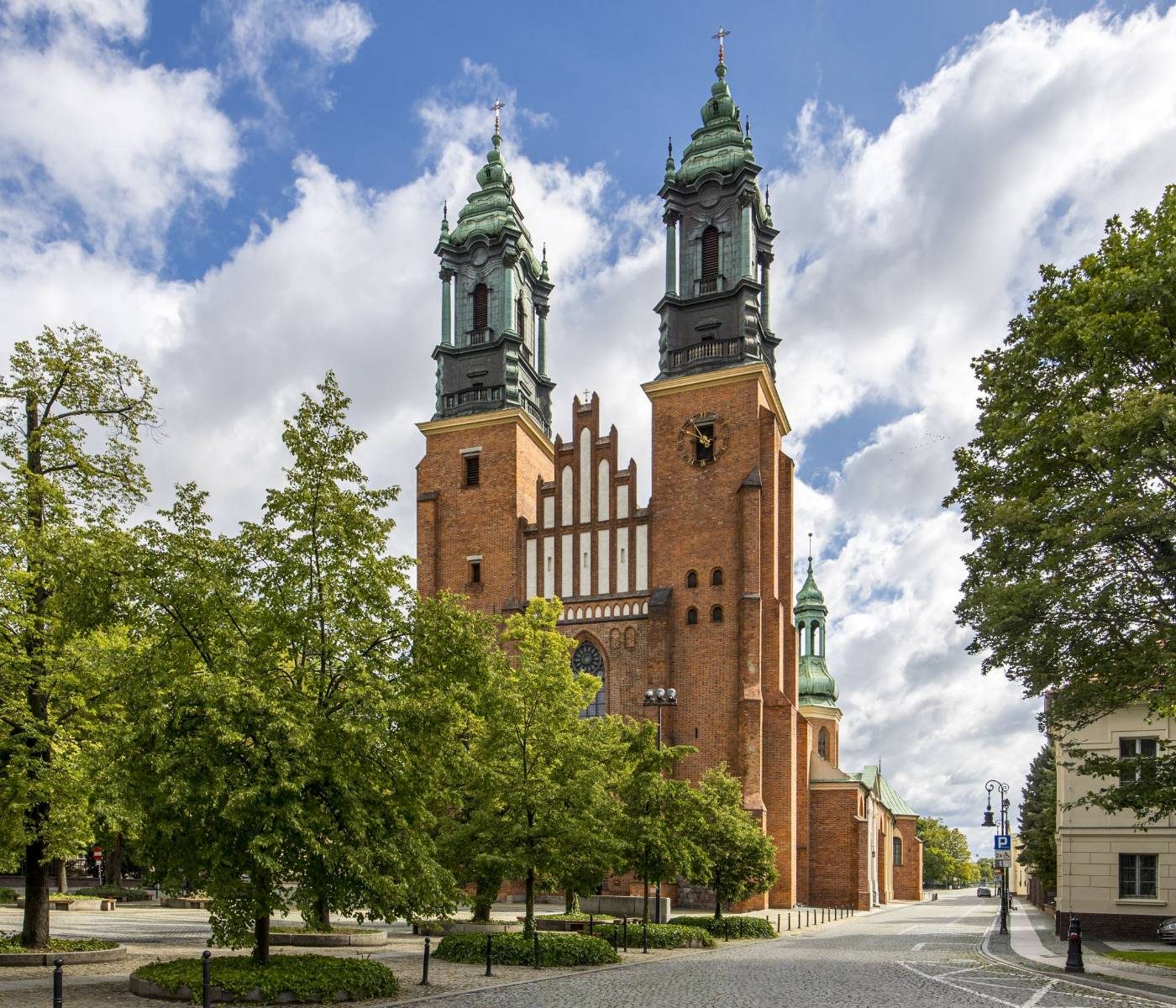
Twin towers of Poznań Cathedral on Ostrów Tumski under a blue sky
02

Where Poland’s story begins

On Ostrów Tumski—Cathedral Island—the city becomes quieter and the timeline lengthens. Poznań Cathedral dates to the tenth century and holds the burial places of Poland’s first rulers, Mieszko I and Bolesław the Brave. Nearby, the immersive Brama Poznania helps place the island within the beginnings of the Polish state.

Best experienced with a historian who can connect archaeology, faith, and statehood without flattening the story.
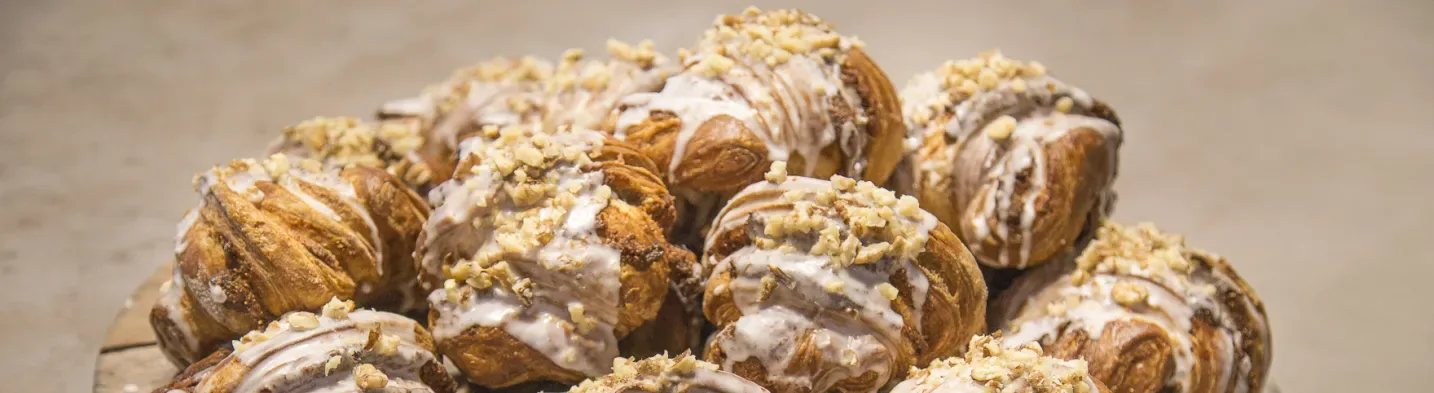
Traditional St. Martin’s croissants topped with icing and chopped nuts
03

A city explained through pastry

The rogal świętomarciński is more than a sweet: its layered dough, white poppy-seed filling, and St. Martin’s Day tradition carry a distinctly Poznań identity. A lively demonstration at the Croissant Museum opens a window onto local history, dialect, and humor—followed, naturally, by a tasting.

A warm, lighthearted interlude that works especially well for families and culinary travelers.

Highlights

Poznań, in three distinctive perspectives.

A thoughtful mix of ingenuity, contemporary culture, and Baroque architecture—revealing a city whose confidence lies in the details.

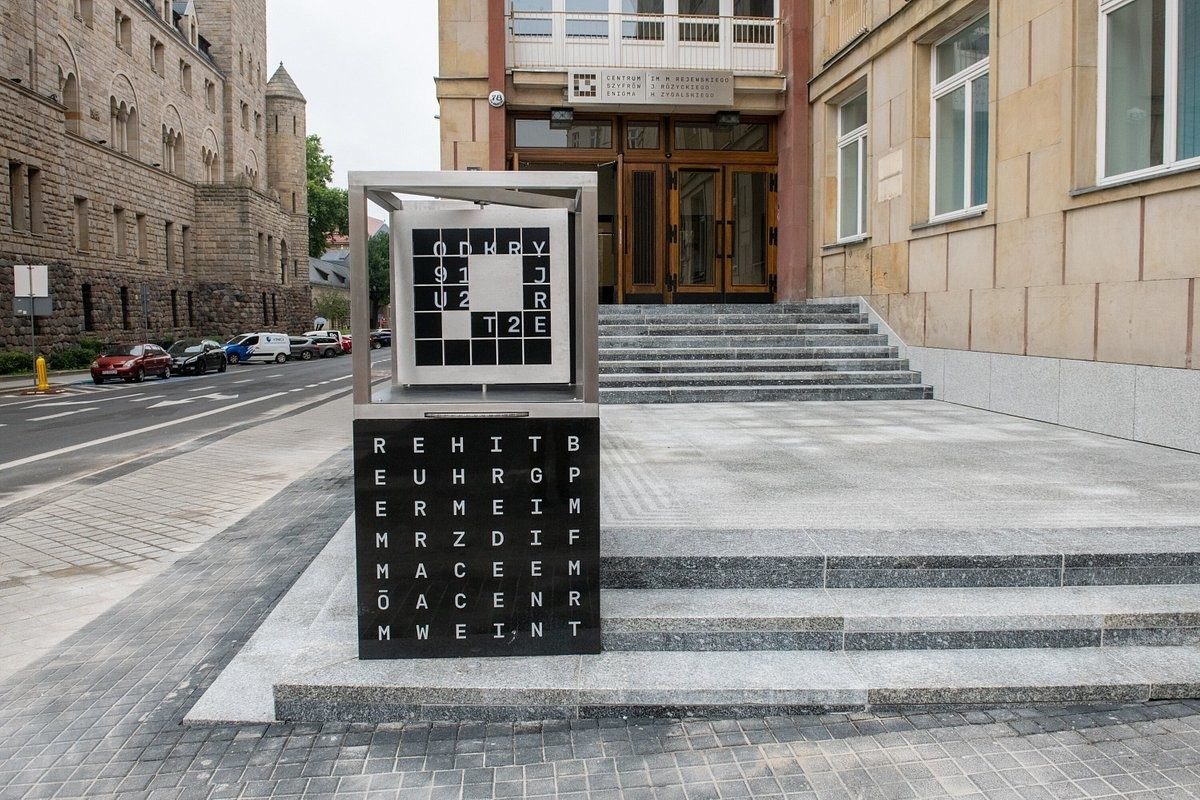
Interactive cipher installation outside Poznań’s Enigma Cipher Centre
Ingenuity

Enigma Cipher Centre

The story of the Polish mathematicians whose work unlocked the German Enigma cipher.

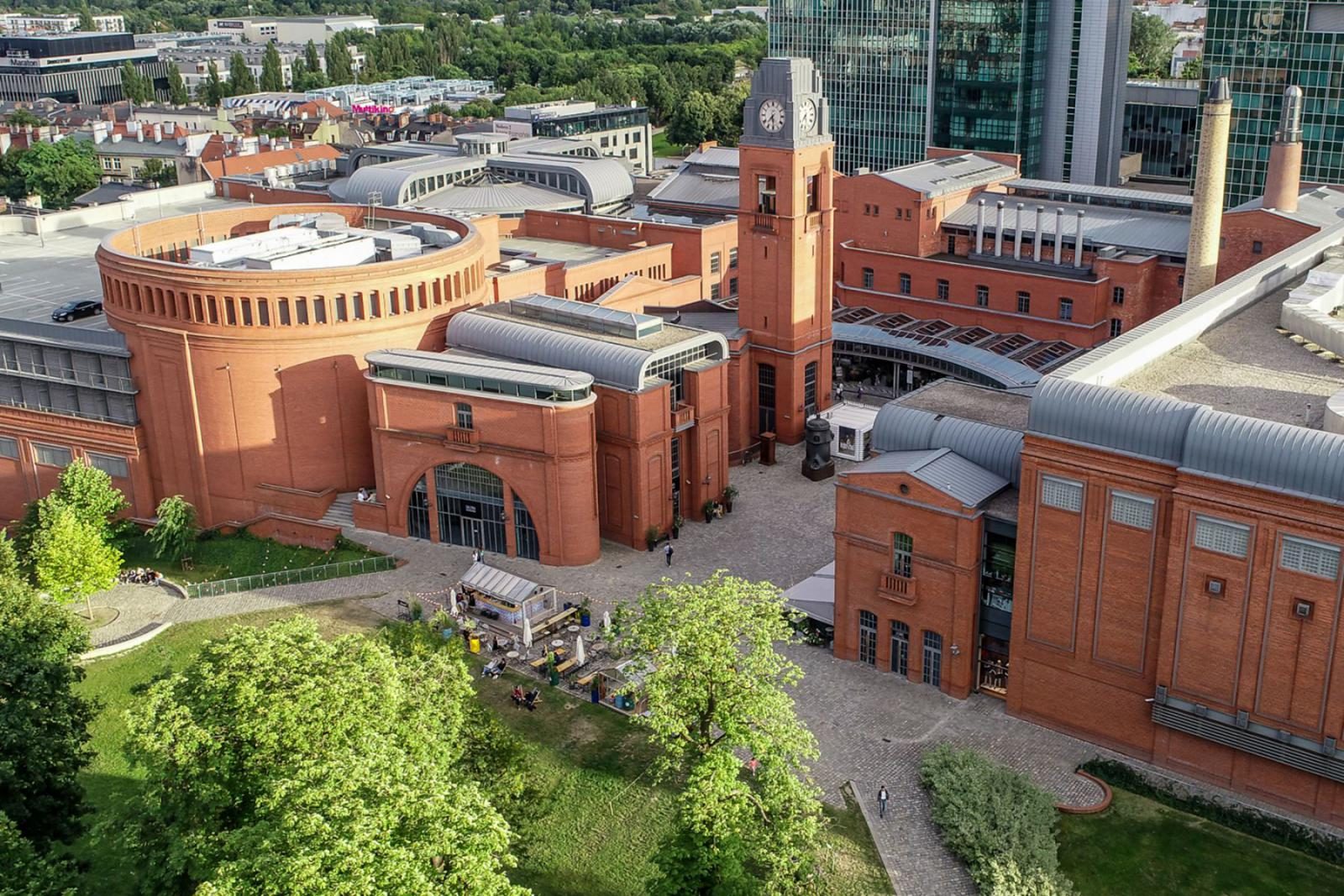
Brick industrial architecture and courtyards at Stary Browar in Poznań
Design

Stary Browar

A former brewery where industrial memory, contemporary art, and city life intersect.

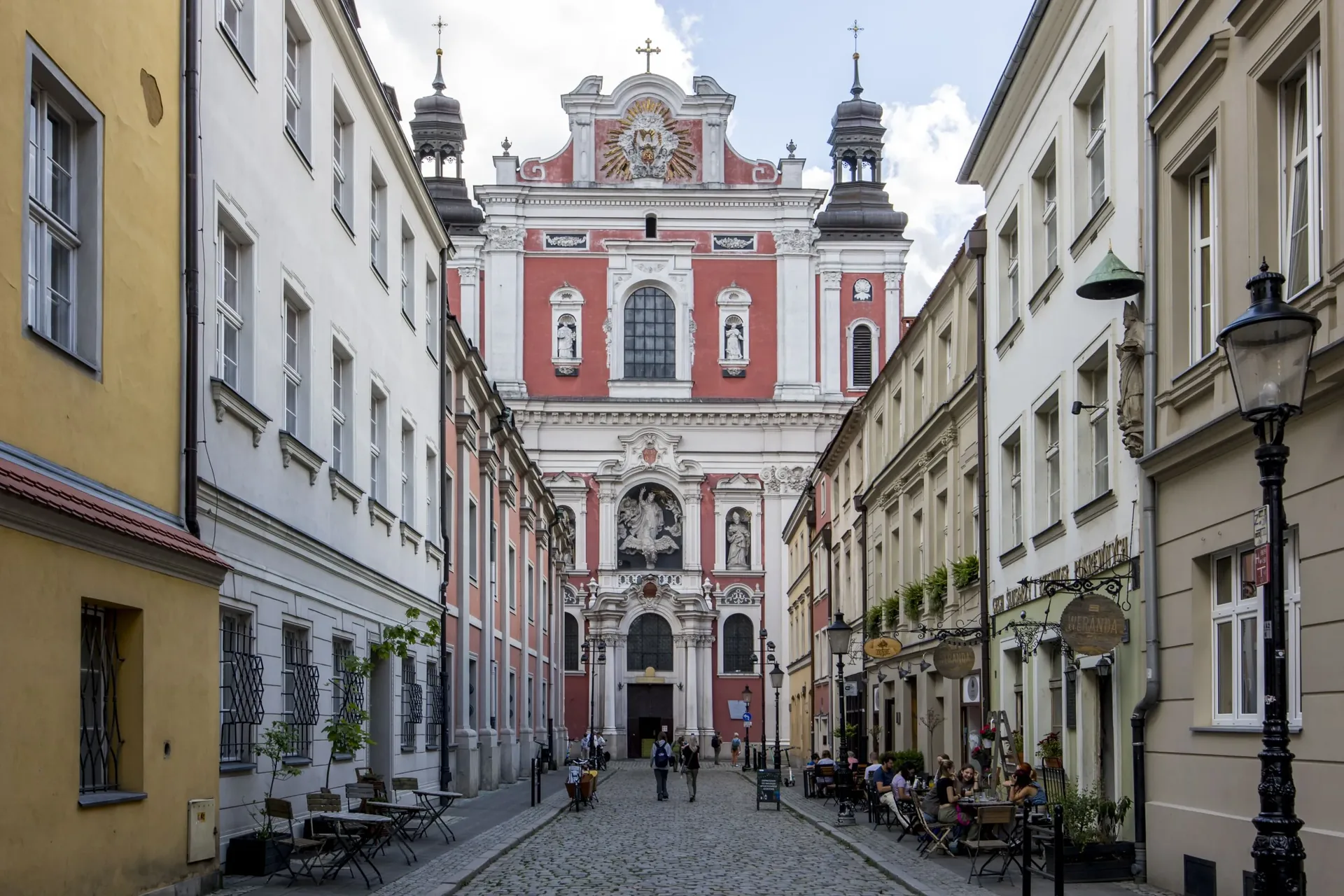
Cobblestone lane leading to the pink Baroque façade of Poznań Fara Church
Architecture

Fara Church

An exuberant Baroque interior hidden just beyond the market square’s colorful edges.

Planning notes

Give Poznań room to surprise you.

Two to three nights allow the city’s layers to emerge: an early walk through the Old Market, considered time on Cathedral Island, and an unhurried evening around the restaurants and galleries that make Poznań feel lived-in rather than staged.

Rhythm
Two or three nights
Pair with
Wrocław, Warsaw, or Berlin
Interests
Polish origins, architecture, culinary traditions, codebreaking, design
Style
Private guiding, local encounters, a measured urban pace

What would make Poznań meaningful to your traveler?

Share the interests, pace, and priorities you have in mind. We’ll shape the city around them—and connect it naturally to the rest of Poland.

Plan for your client