
Wrocław · Destigo Hotels
Hotel Altus Palace
Wrocław's Leipzigers' Palace of 1872, now a Michelin Key hotel overlooking the Old Town Garden.
Wierzbowa 15, 50-056 Wrocław, Poland
- Wierzbowa 15 by Juanlu Fernández
- Michelin Key 2026
- Wellness zone
Poland · Lower Silesia
A many-layered city of river islands, Gothic silhouettes, and bright market-square facades—playful in spirit, quietly profound in story.
The city
Wrocław’s beauty lies in its layers. Polish, Bohemian, Habsburg, and German chapters remain legible in the architecture, while the Oder’s islands and bridges give the city an unusually open rhythm. Today, university life, contemporary culture, and a distinctly playful civic spirit keep that long history feeling alive.
Gothic churches, Baroque interiors, elegant townhouses, and pioneering modernism in one walkable city.
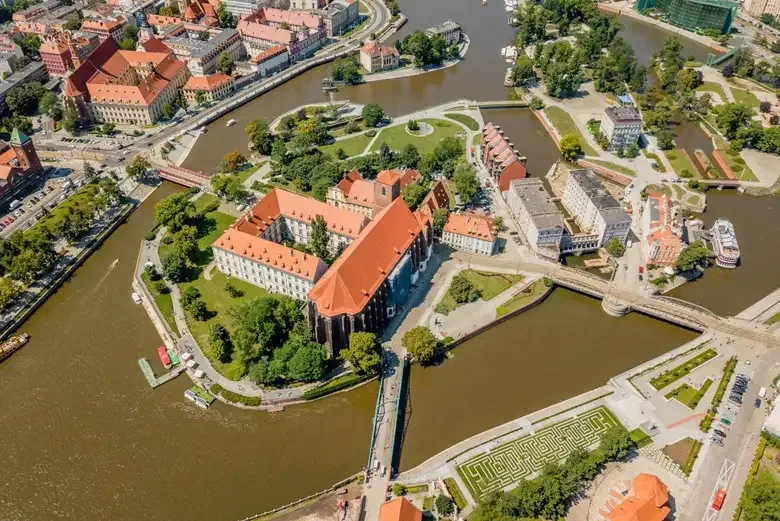
Riverbanks, footbridges, and islands create natural pauses between Wrocław’s historic districts.
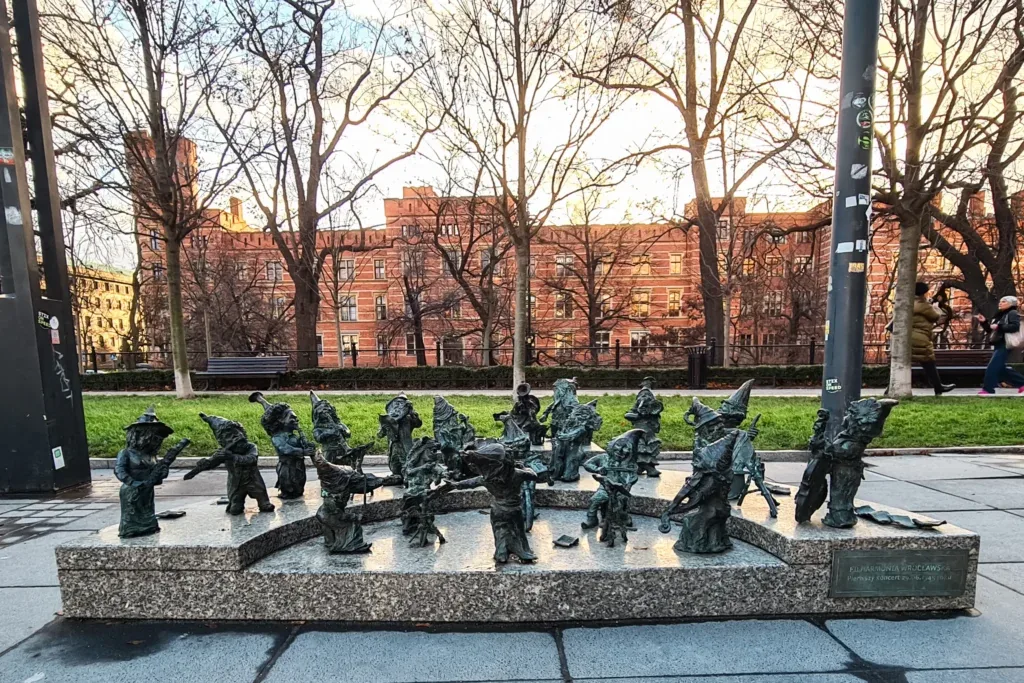
Bronze dwarfs, flower stalls, and a youthful café culture lend the city warmth without diminishing its depth.
Our hotels
Hotels we know firsthand, chosen for character, comfort, and a true sense of place. Ask us about any of them when you share a brief.
Wrocław · Destigo Hotels
Wrocław's Leipzigers' Palace of 1872, now a Michelin Key hotel overlooking the Old Town Garden.
Wierzbowa 15, 50-056 Wrocław, Poland
Wrocław
A historic five-star hotel in the heart of Wrocław, steps from the Market Square and the Opera, with a spa and rooftop terrace.
Heleny Modrzejewskiej 2, 50-071 Wrocław, Poland
Wrocław · PURO Hotels
PURO's four-star stay in Wrocław's Old Town, just modern and everything you need, a short walk from the Market Square.
Pawła Włodkowica 6, 50-072 Wrocław, Poland

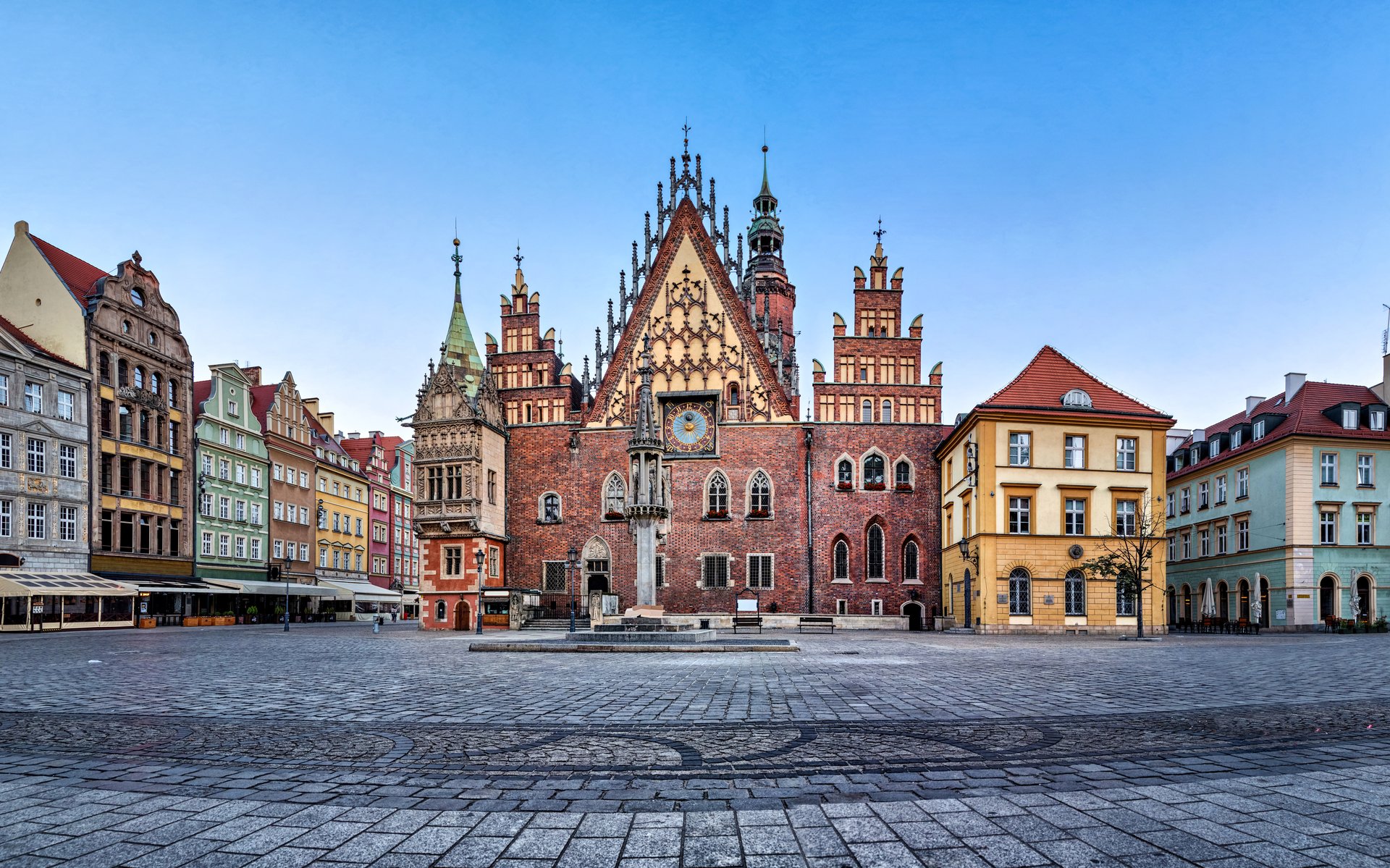
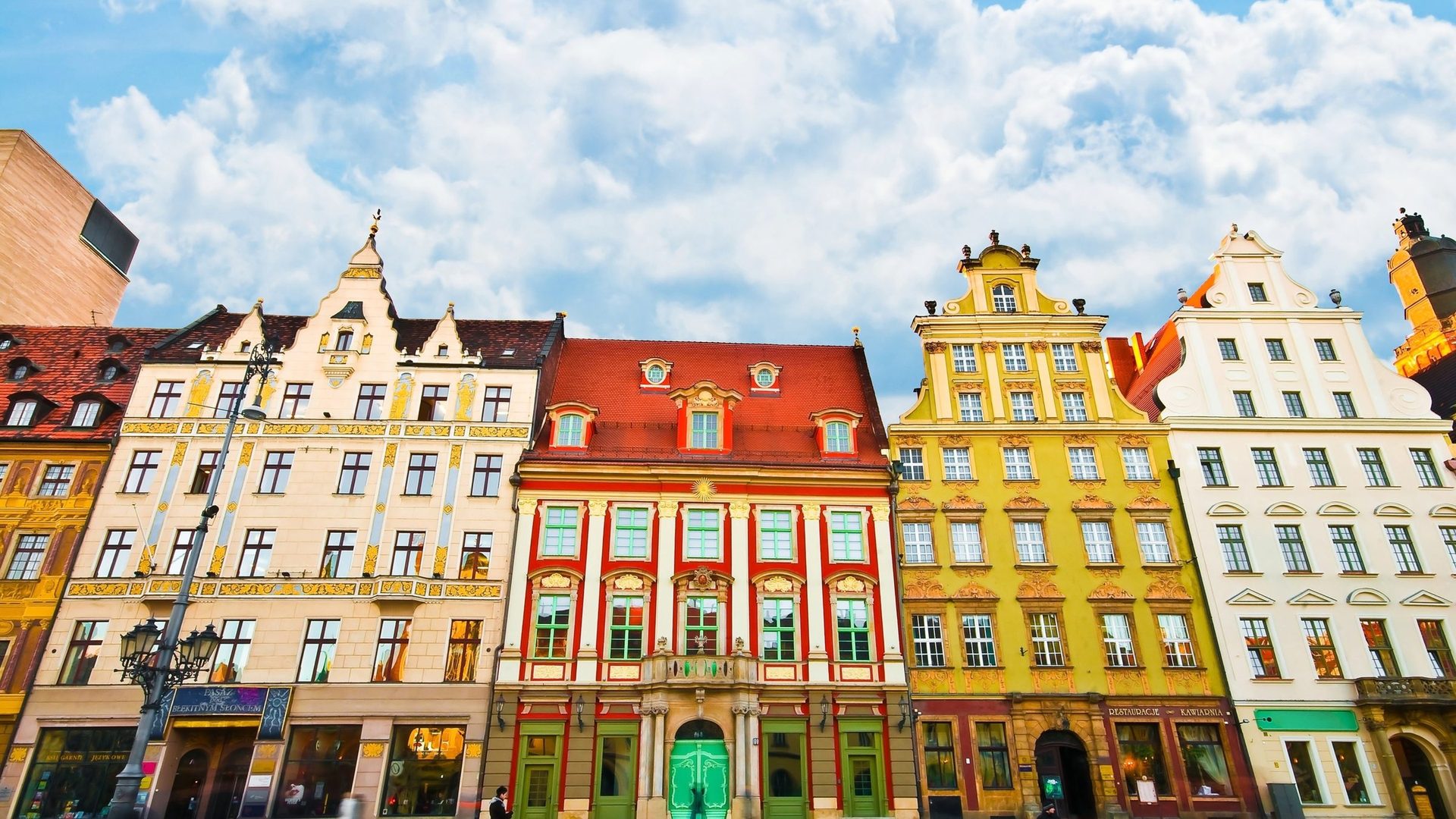
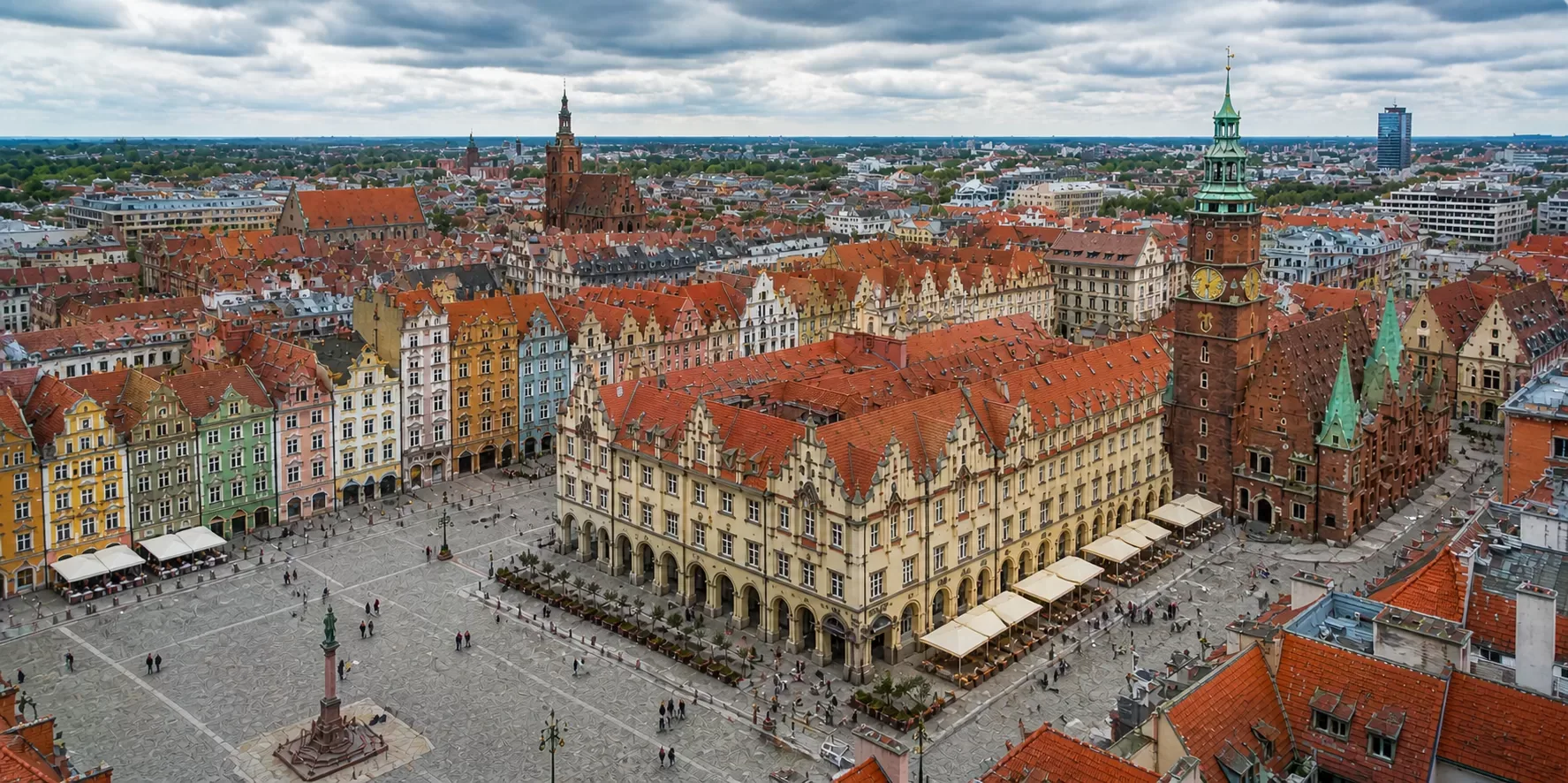
The Rynek is Wrocław’s grand civic room: richly colored facades frame a vast medieval square, while the intricately gabled Town Hall anchors its center. Explore early, pause at the flower market on Plac Solny, then return as the terraces begin to glow.

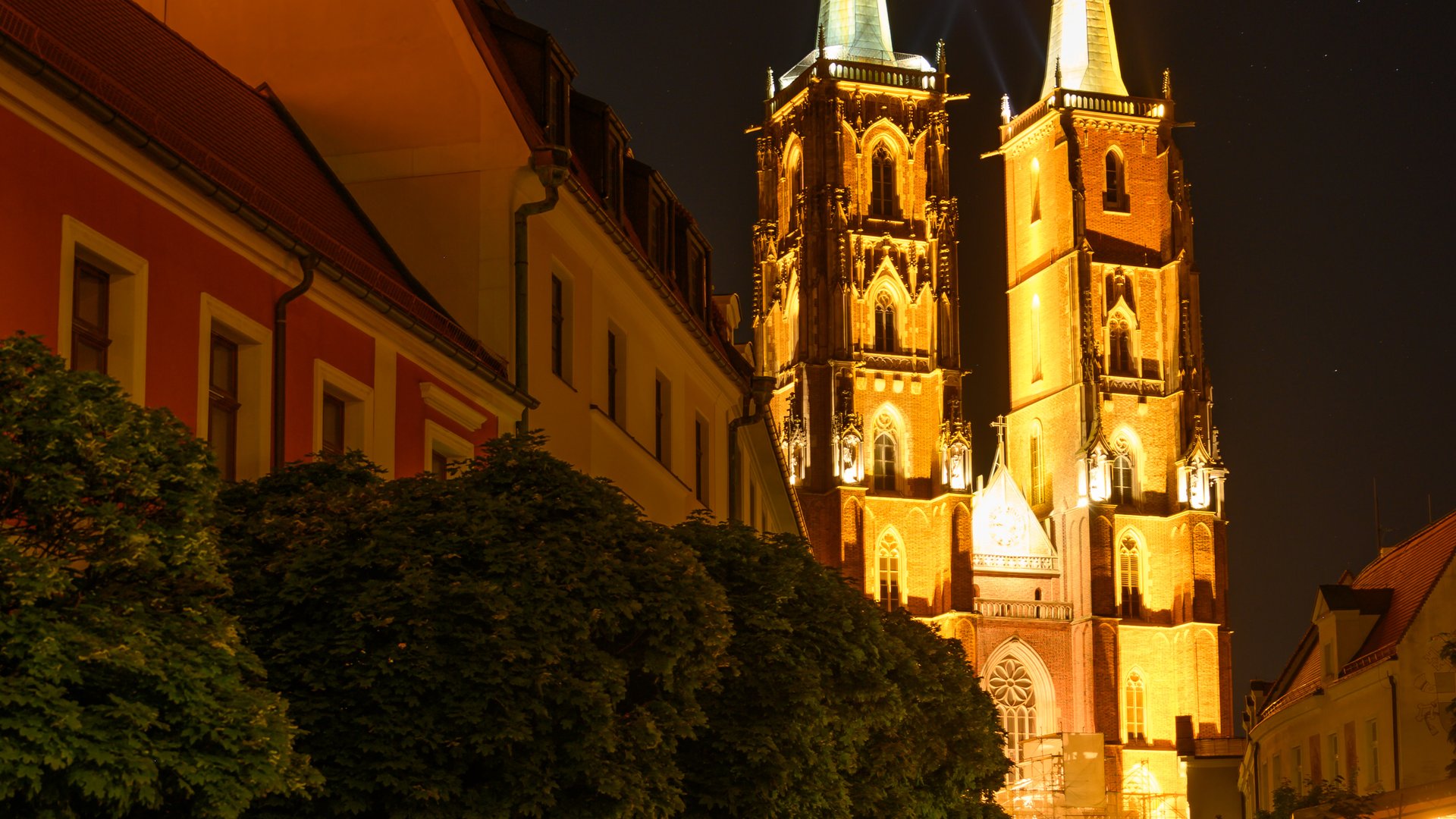
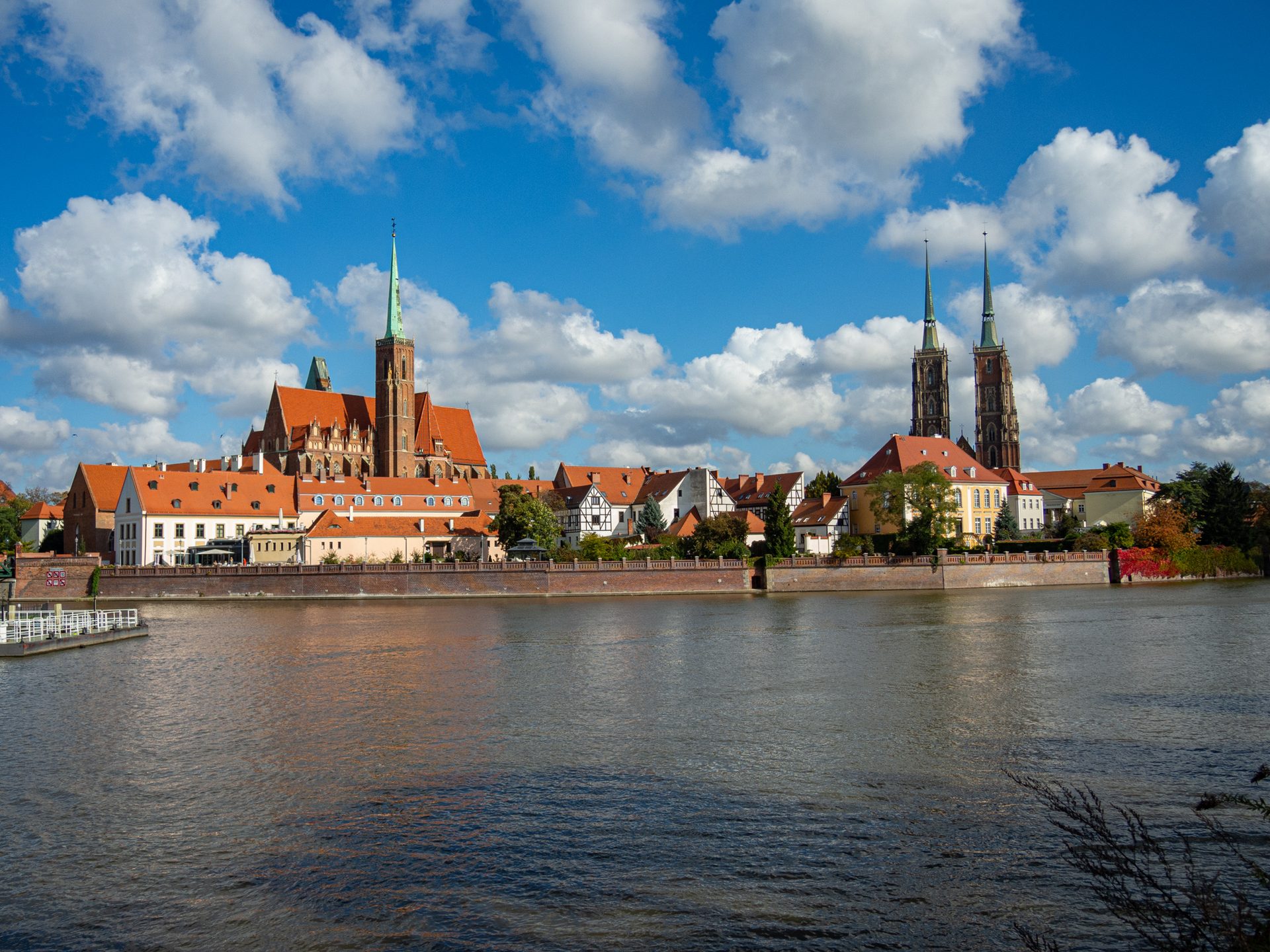
Ostrów Tumski, the city’s oldest quarter, shifts mood as daylight fades. Brick churches and quiet lanes meet the river, and the tradition of hand-lighting the gas lamps lends the evening a gentle sense of theater. It is an atmospheric place to slow the pace and let Wrocław speak softly.

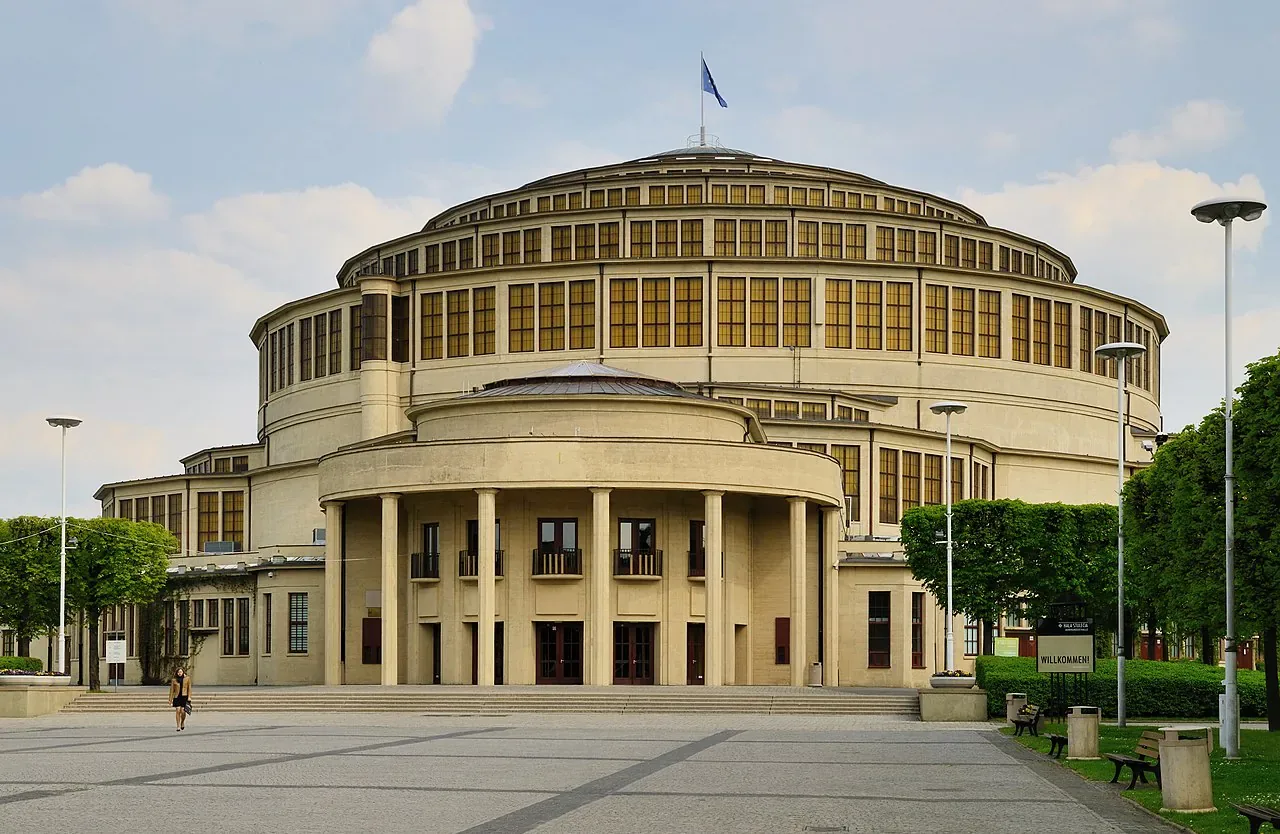
Max Berg’s Centennial Hall was radically ambitious when it opened in 1913. Its vast reinforced-concrete dome became a landmark in modern engineering and is now recognized by UNESCO. Pair the architecture with the neighboring pergola and Japanese Garden for a revealing change of scale.
Highlights
A considered mix of landmark architecture, river life, and local character—each adding a different texture to the city.

Gothic detail, bright facades, and the living heart of Wrocław’s old city.

River mist, soaring spires, and lantern-lit lanes in the city’s oldest quarter.

Witty bronze figures hidden across the city, rooted in the legacy of the Orange Alternative.

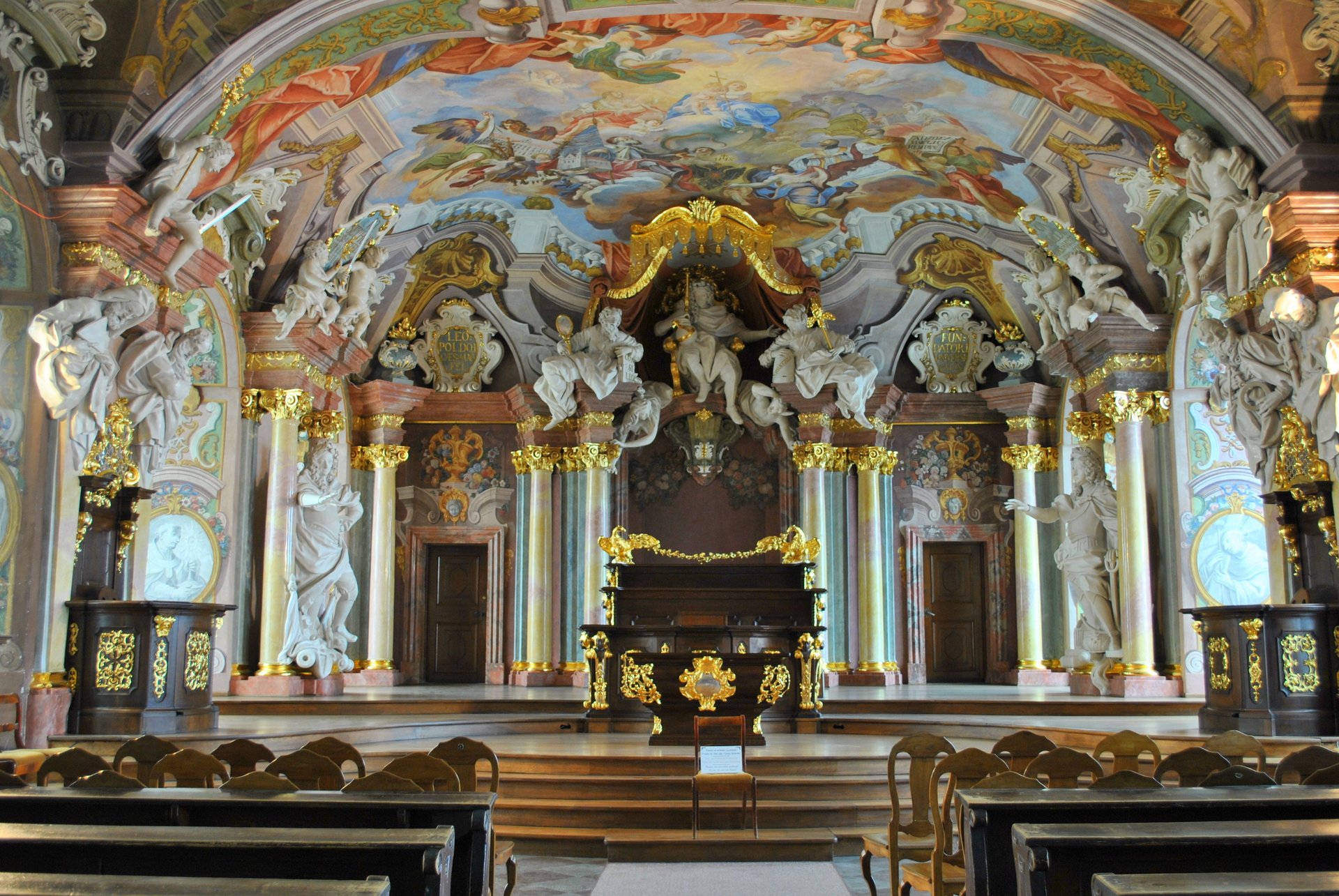
A theatrical Baroque ceremonial hall inside the historic University of Wrocław.

Promenades, bridges, and waterside views that make the city feel open and unhurried.

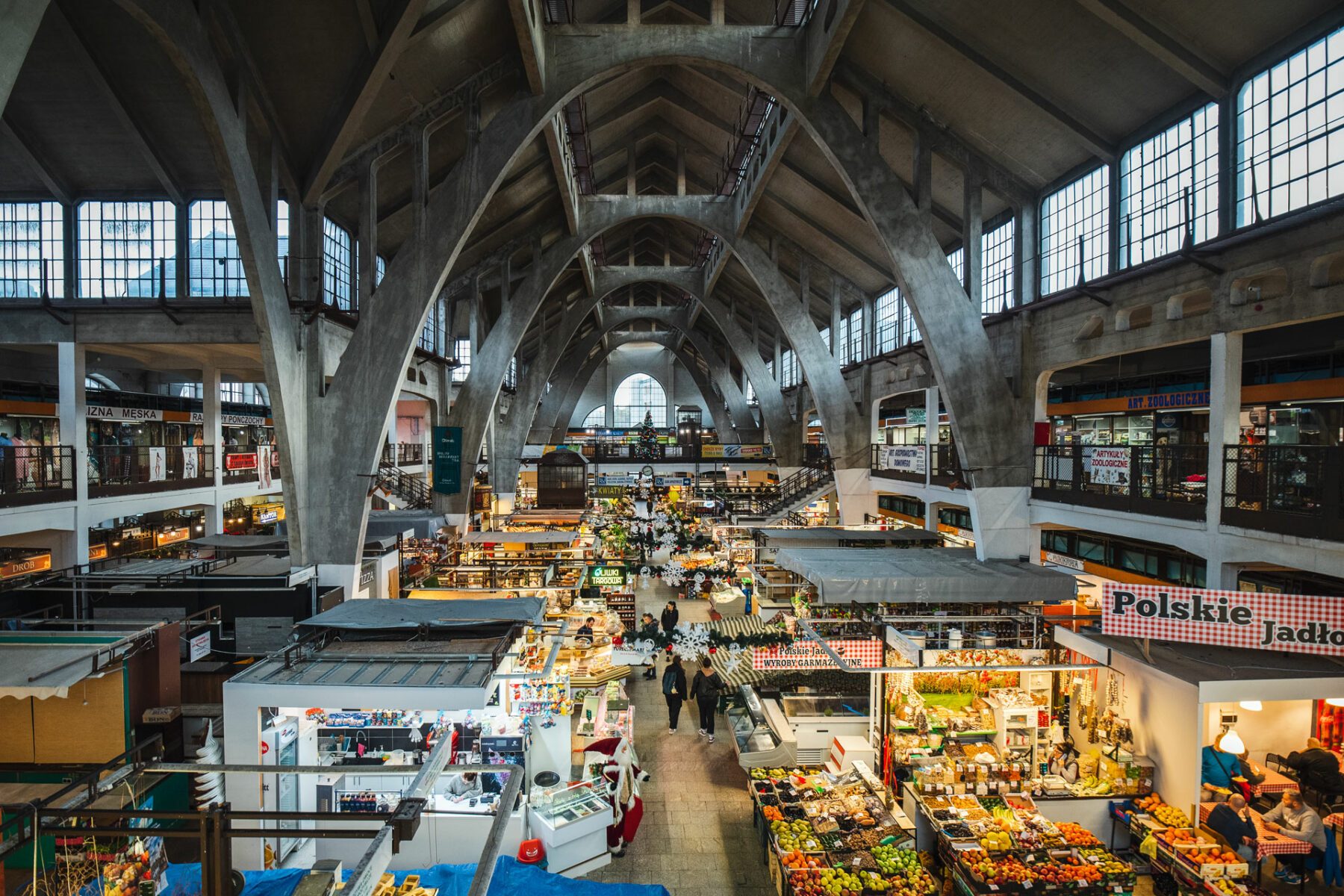
A handsome early twentieth-century hall filled with produce, flowers, and everyday local rhythm.
Planning notes
Two nights reveal Wrocław’s essential landmarks; a third creates space for design, museums, and the quieter riverfront. It also opens the door to the castles, gardens, and mountain landscapes of Lower Silesia.

Share the interests, pace, and priorities you have in mind. We’ll shape the city around them—and connect it naturally to the rest of Poland.
Plan for your client